
When it comes to real estate, many property owners are unsure how to sell land efficiently and profitably. Unlike selling a home or commercial building, land transactions require specific knowledge about the property’s value, zoning restrictions, and the target buyer market. Successfully selling land involves much more than just putting a sign on the property; it requires understanding how to present the land’s potential and appeal to serious buyers. This article explores the important steps and considerations to help you sell land with confidence and achieve the best possible outcome.
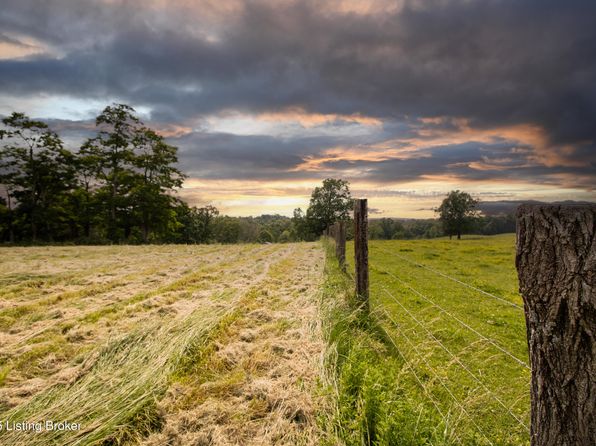
The first step to selling land is understanding the property’s unique features and potential uses. Buyers are typically interested in the possibilities the land offers, whether for residential development, farming, commercial ventures, or recreational purposes. Researching local zoning laws is essential because these regulations determine how the land can be used, which directly impacts its marketability and price. Highlighting the permitted uses and any future developments planned in the area can attract the right buyers who see value in your property.
Pricing the land correctly is another crucial aspect of the sale process. Unlike developed properties, land does not have structures that add value, so pricing depends largely on factors such as location, size, accessibility, and utility availability. Overpricing can scare off potential buyers, while underpricing may result in a financial loss. To avoid this, it is wise to get a professional appraisal or consult with a real estate expert specializing in land sales. Accurate pricing helps to position your property competitively in the market and encourages offers from interested parties.
Marketing your land is just as important as setting the right price. In today’s digital age, listing your property on specialized real estate websites and social media platforms can significantly increase its exposure. Providing clear, high-quality photographs and detailed descriptions helps prospective buyers visualize the potential of the land. Additionally, traditional methods like “For Sale” signs and local advertising can still be effective in attracting buyers within your region.
Negotiations and the closing process for land sales often require patience. Potential buyers may need time to conduct surveys, soil tests, or environmental assessments, and securing financing for land can sometimes be more complicated than for homes. Maintaining good communication and being open to reasonable offers will make the process smoother. Hiring an experienced real estate agent can also be beneficial, as they can guide you through negotiations and paperwork, ensuring a hassle-free transaction.
In conclusion, selling land successfully depends on knowing your property’s potential, pricing it right, marketing effectively, and managing the sale process with care. By taking these steps, you increase your chances of a timely sale and a profitable outcome.