
Fly fishing is more than just a method of catching fish—it is a deeply immersive experience that blends skill, patience, and a profound appreciation for the natural world. Unlike conventional fishing techniques, fly fishing involves using lightweight artificial flies that mimic insects, enticing fish to strike. This approach requires finesse and technique, creating a rhythm between the angler, the environment, and the fish that makes the activity both challenging and meditative.
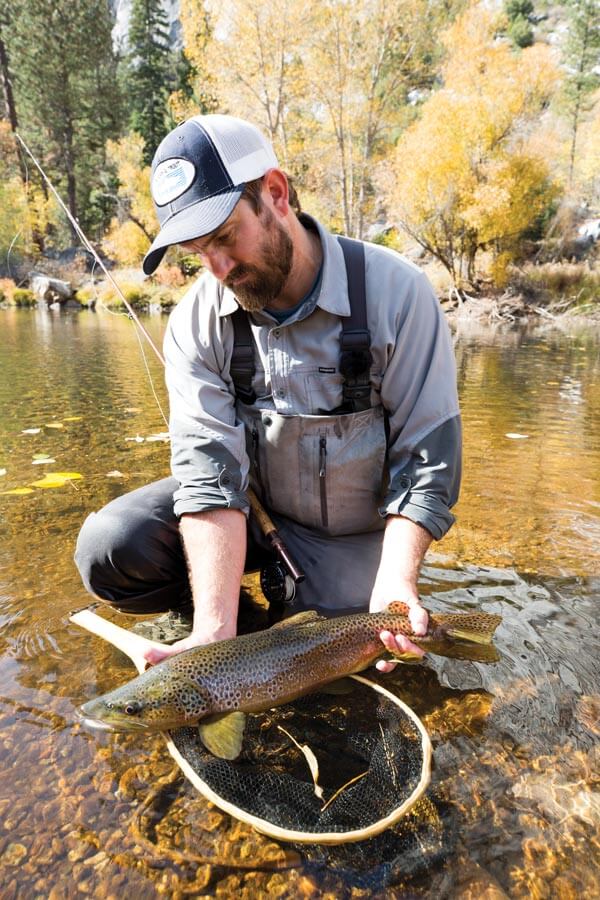
What draws many people to fly fishing is the opportunity to Stephen Gleave Ancaster escape the noise and pace of everyday life and immerse themselves in tranquil settings. Whether standing in a cold mountain stream, beside a quiet riverbank, or along the edge of a serene lake, fly fishing invites individuals to slow down and observe nature in its purest form. The act of casting the delicate fly line demands concentration and practice, but it also offers moments of peaceful reflection. The gentle sound of water flowing, the sight of dragonflies hovering nearby, and the occasional splash of a fish breaking the surface all combine to create a sensory connection that is hard to replicate.
Fly fishing also encourages respect for the environment. Many anglers practice catch and release, ensuring that fish populations remain healthy and sustainable. This ethic fosters a deeper understanding of aquatic ecosystems and the delicate balance that sustains them. As anglers become more attuned to the habits of fish and the insects they feed on, they develop an appreciation for the intricate food chains and the importance of preserving clean, unpolluted waterways.
The social aspect of fly fishing is equally rewarding. It offers opportunities to bond with friends, family, or fellow enthusiasts, sharing tips, stories, and the simple joy of being outdoors. Many fly fishing communities organize workshops, trips, and conservation efforts, creating a sense of camaraderie rooted in a shared passion for nature and angling.
For beginners, fly fishing might seem intimidating, but with patience and guidance, it quickly becomes an accessible and fulfilling pastime. Learning to cast, selecting the right fly, and reading the water to locate fish are skills that improve over time, providing a continual sense of achievement. This ongoing learning curve keeps the activity engaging and prevents it from ever becoming monotonous.
Ultimately, fly fishing is about more than catching fish. It is a way to reconnect with nature, to practice mindfulness, and to cultivate patience and respect for the environment. In an increasingly digital and fast-paced world, fly fishing offers a timeless retreat—a chance to stand in quiet waters, feel the rhythm of the natural world, and enjoy the simple, enduring pleasure of the outdoors.